Choosing a home with intent
Before we saw the house, we noticed the streets.
They were calm in a way that feels increasingly rare in zone 2 to 3 of London. Wide pavements. Mature trees. Front gardens that softened the boundary between public and private space. It felt planned rather than accidental, as if the neighbourhood had been given time to breathe.
That was not a coincidence.
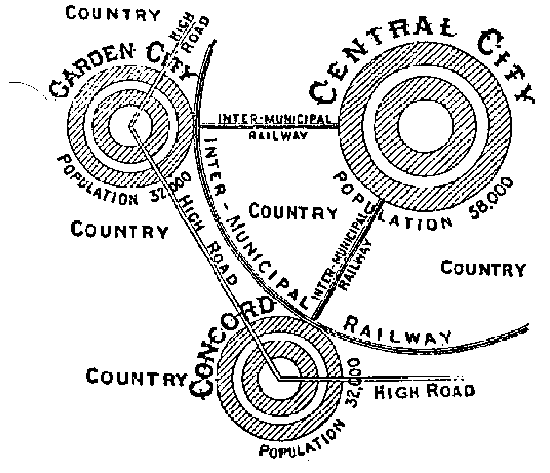
This area was shaped by a strain of thinking that emerged in the late 19th and early 20th centuries, when planners began pushing back against the overcrowding and pollution of industrial cities. The garden city movement proposed something more measured. Settlements with clear limits. Access to green space. Homes designed around light, air, and daily life, rather than density alone. The ideas were most clearly set out by Ebenezer Howard, and later translated into real places across Britain as the country rebuilt after the First World War.
These estates were not meant to be picturesque experiments. They were practical responses to housing need, built with long term livability in mind. Streets were laid out for walking. Trees were retained. Allotments, schools, and shops were integrated. Even small details were considered part of a shared environment, not left to chance.
The house sits within that framework. A post war garden city cottage, modest in scale and clear in purpose. Nothing grand, nothing showy. Generous height rooms and a west facing garden that pulls evening light deep into the house. Original features remain, often hidden beneath layers of paint. Sash windows, softened by age but intact, waiting to be uncovered.
The condition told a different story. Years of deferred maintenance were visible almost immediately. Smoke ingrained in the walls. Damp in the chimney and back wall. Cracks that from age. The work ahead is substantial, and largely invisible. Structural repairs, moisture management, and careful restoration rather than surface improvement.
That is where this series begins.